For one long weekend in late November, the genteel City of Churches turns up the volume to a level you can feel in your chest. The Adelaide 500 takes over the East Parklands right on the edge of the CBD, and suddenly there are V8 Supercars screaming past the same gum trees where, the rest of the year, I’d walk the dog. It’s the biggest motorsport event in the country by crowd, a proper street race threaded through parkland a ten-minute stroll from the city, and it comes bolted to a concert line-up that has, over the years, put the likes of Robbie Williams and Guns N’ Roses on a stage at the end of the track. If you’re mapping out your trip around the city’s big-ticket happenings, our guide to Adelaide’s events and festivals sets the calendar, and this is the one that closes out the year with a bang.
I’ve been going since it was still called the Clipsal 500, back when “Clipsal” was shorthand the whole city understood. I want to walk you through what it actually is, the history that makes Adelaide a genuine motorsport town, and the practical stuff: when it’s on, how to get there without a car, what a General Admission ticket really buys you, and how to survive a hot, loud day in the parklands without melting.
What is the Adelaide 500?
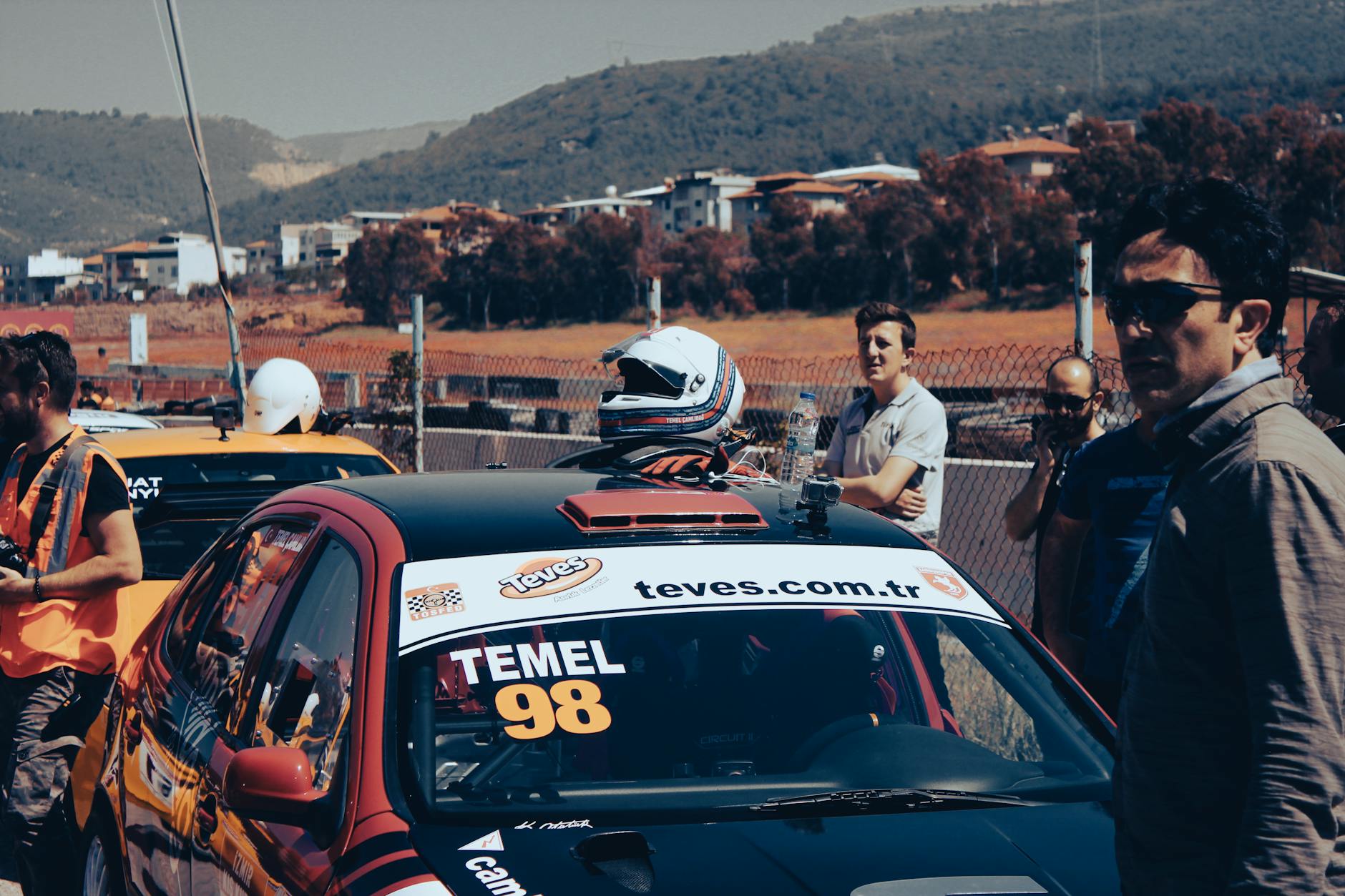
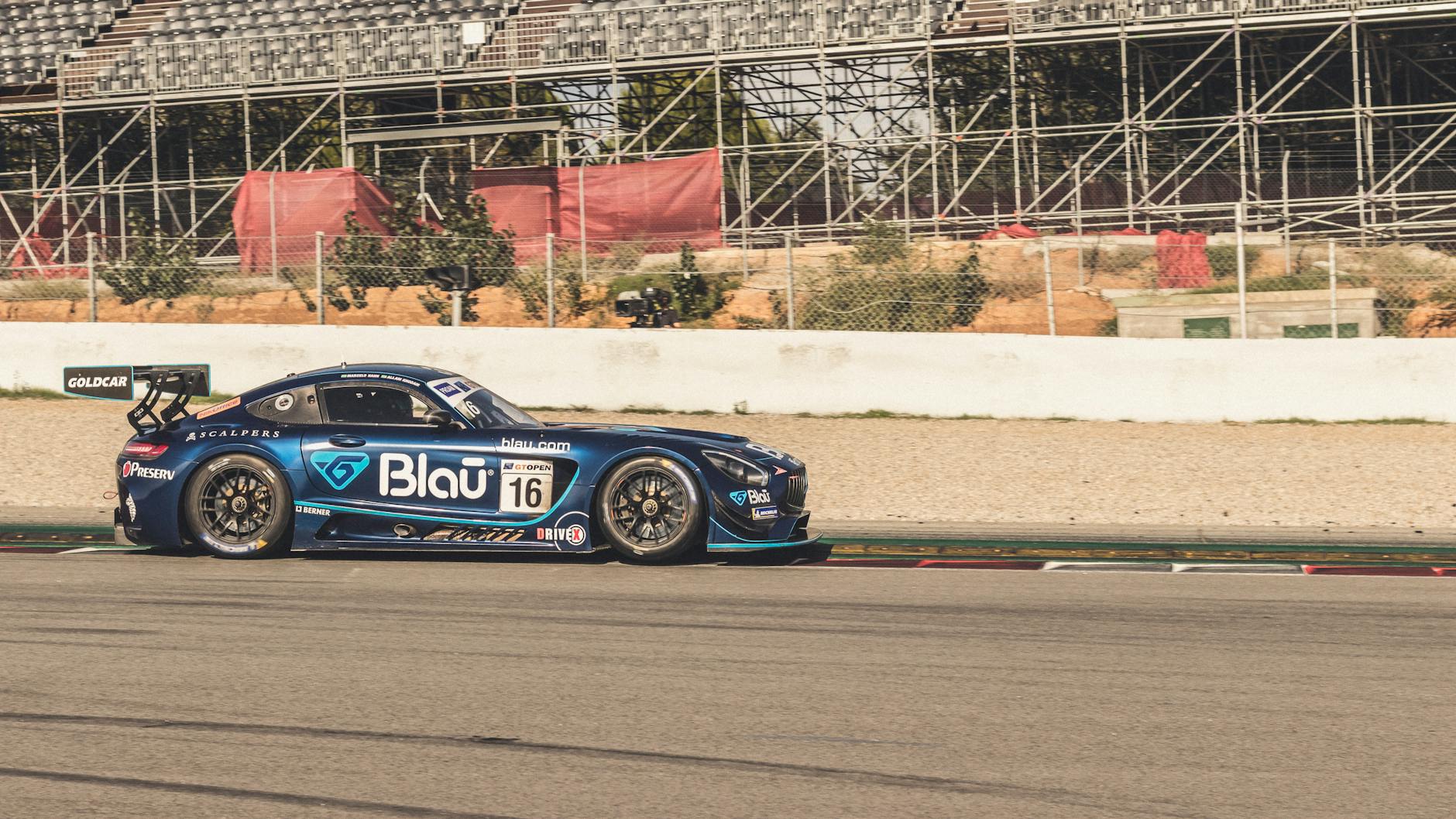
At its simplest, the Adelaide 500 Supercars event is Australia’s premier street race. It’s officially carried the name of its sponsors over time, most recently running as the bp Adelaide Grand Final and the VAILO Adelaide 500, but to a lot of locals it’ll always be “the Clipsal”, the name it wore for the better part of two decades. Whatever it’s called in any given year, it’s the same beast: full-fat Supercars racing on a temporary circuit laid out through public parkland, with grandstands, pit garages and concert stages all built from scratch and pulled down again within days.
The cars themselves are the loud, tail-happy touring cars that sit at the heart of the Repco Supercars Championship, and right now the Adelaide event holds the most coveted slot on the whole calendar: the season finale. The championship is decided here. That changes the whole feel of the weekend, because you’re not watching a mid-season round where the points barely move; you’re watching drivers who need a result, on a circuit that punishes mistakes with a concrete wall. As street circuits go, this one bites.
It’s also, and this is the number that always gets people, the most-attended Supercars race in the country. Crowds of around 250,000 pour through the gates across the four days. That’s a huge share of a city of roughly 1.4 million turning out, which tells you something about how much Adelaide loves this event. For the wider picture of what fills the city’s calendar, our rundown of things to do in Adelaide puts the 500 alongside everything else worth your time.
The street circuit: racing through the parklands
Here’s what makes the Adelaide circuit special. It isn’t a purpose-built track out in the sticks; it’s a temporary street circuit carved into the East Parklands and Victoria Park (Pakapakanthi) on the eastern edge of the CBD. For most of the year it’s open green space, walking paths and the old racecourse. For a few weeks a year, it becomes 3.219 kilometres of racing surface with 14 turns, lined with concrete barriers, debris fencing and grandstands.
The layout you see today is a shortened version of something far more famous. The original Adelaide Street Circuit was longer and faster, and it hosted Formula One. The current configuration keeps the character, the long straights where the cars stretch their legs, the heavy braking zones into tight corners, but trims the length to suit Supercars and a modern crowd footprint. Walking the public side of it during the event, you get genuinely close to the action in a way the big permanent circuits never allow. You can be metres from cars doing serious speed, separated by fencing and a strip of run-off, and the noise is something you experience with your whole body.
Because it sits in the parklands ring that wraps the city, the circuit is absurdly central. From most CBD hotels you can walk to a gate. That’s a luxury you don’t get at almost any other big motorsport event in the world, and it’s a big part of why the crowd numbers are what they are. If you’re sorting out where to base yourself, our pick of the best hotels in the Adelaide CBD leans towards places you can walk back to when your ears are ringing and your feet have had enough.
From Formula One to Supercars: a short history
Adelaide’s motorsport story is bigger than the 500, and it’s worth knowing because it’s the reason the city carries itself like a racing town. From 1985 to 1995, Adelaide hosted the Formula One Australian Grand Prix. For eleven years, the world championship came to these same parklands, and for most of that run it was the final round of the F1 season, so championships were settled here. If you watched F1 in that era, you watched Adelaide. The 1986 finale, where the title swung wildly in the closing laps, is still talked about as one of the great Grand Prix endings.
And then Adelaide lost it. In the mid-1990s, the Australian Grand Prix was controversially moved to Melbourne, which took over the race from 1996. It stung, and honestly, ask an older Adelaidean and you’ll still get a wry comment about it. But the city had built up real expertise in running a street event, the infrastructure, the marshals, the appetite, and rather than let all that disappear, Adelaide pivoted. The Supercars street race grew into the gap the F1 left behind, and it has arguably become more beloved by everyday locals than the Grand Prix ever was, because it’s affordable, it’s central, and it comes with a party attached.
Why the history still matters
That F1 legacy isn’t just nostalgia. It’s the reason the bones of a world-class circuit already existed in the parklands, the reason the event slots so neatly into the city, and the reason there’s a persistent, ambitious streak in Adelaide’s motorsport conversation about what street racing could be here next. The city has never quite stopped thinking of itself as a Grand Prix town. For a different angle on Adelaide’s sporting identity, the Adelaide Oval tours are worth a look; between the Oval and the 500, sport runs deep in this city’s sense of itself.
It’s not just racing: the concerts
If you only know the Adelaide 500 as a car race, you’re missing half the point. One of the smartest things this event ever did was bundle big-name Adelaide 500 concerts into the ticket. After the track goes quiet each evening, a stage near the circuit lights up and a major act plays, and it’s included with your entry rather than sold as a separate festival ticket. Over the years the headliners have been a genuine who’s-who: Robbie Williams, Guns N’ Roses, and a long list of acts who’d normally fill an arena on their own.
The result is that a chunk of the crowd isn’t even there for the cars. Plenty of people buy a ticket purely for the music and treat the racing as a loud, glamorous bonus. It gives the whole weekend a festival energy that pure motorsport events lack. You’ll spend the afternoon trackside with the smell of hot brakes in the air, then watch the sun go down over a parkland concert with a beer in hand. The line-up changes every year and gets announced in the lead-up, so check the official site for who’s playing before you commit. Adelaide knows how to throw a party; the 500 is just the loudest example, but if live music is your thing, the city’s laneway bars in the East End are right by the circuit and keep the night going long after the encore.

When is the Adelaide 500?
The event runs over four days in late November. At the time of writing it’s scheduled across the final weekend of the month, with the 2026 edition pencilled in for roughly 26 to 29 November, but the exact dates shift year to year, so always confirm on the official site before you book flights. As the season finale of the championship, its place at the tail end of the year is the fixed point; the precise weekend moves around within late spring.
Late November in Adelaide means late spring tipping into summer. That has real consequences for how you plan your day, which I’ll come to, but the short version is: warm to hot, often dry, with long afternoons and the kind of high UV this city gets even when the temperature seems mild. If you want the full picture of the season, our guide to Adelaide in spring covers what to expect from the weather, and it’s a genuinely lovely time to be in the city beyond the racing. If you’re still weighing up when to come, our guide to the best time to visit Adelaide sets out the trade-offs season by season.
Tickets: what to buy
Tickets broadly fall into three tiers, and which one suits you depends on how you like to watch.
General Admission
General Admission is how most people, including me most years, do the 500, and it’s the one I’d steer a first-timer towards. A GA ticket gets you into the circuit precinct and the freedom to roam. You can wander the public viewing areas around the track, find the corners you like, watch from the grassed banks, get into the trackside atmosphere, and crucially you get access to the concert each evening. You won’t have a reserved seat, so you bring a fold-up chair or a picnic rug and stake out a spot. For value and flexibility, GA is hard to beat, and the roaming is half the fun.
Four-day grandstand
If you want a guaranteed seat with a view of a specific part of the circuit, a reserved grandstand ticket is the step up. The grandstands sit at the marquee corners and along the straights, and a four-day pass gives you the same numbered seat all weekend so you can settle in. Worth it if you’re a serious race fan who wants to actually follow the racing rather than soak up the vibe, or if standing in the sun all day isn’t your idea of fun.
Premium and corporate
At the top end there are premium and corporate hospitality packages, the kind with food, drinks, shade, a comfortable seat and sometimes pit or paddock access thrown in. These cost considerably more and are the way to go if you’re entertaining clients or just want the full creature-comforts experience. Prices and inclusions change every year, so check the official site for current options rather than trusting any figure you read online, including here.
Whichever tier you pick, book ahead. This event sells strongly, accommodation in the CBD fills up for that weekend, and the closer you get to late November the harder it is to find a well-located room. Lock in your bed early, the same advice applies to the city’s other marquee events, from the Adelaide Fringe in autumn to the Tour Down Under in January.
Getting there: leave the car at the hotel
This is where the 500 really shows its hand as a city event. Because the circuit sits in the parklands right beside the CBD, getting there is genuinely easy, and driving is the worst option of the lot. Parking near the parklands during the event is a nightmare, road closures reshape the whole eastern side of the city, and you’ll spend more time hunting for a space than you’d ever save.
If you’re staying in the city, walk. From most CBD accommodation the gates are ten to twenty minutes on foot, and you can stroll back at the end of the night with thousands of other people, which is part of the experience. If you’re further out, Adelaide’s public transport drops you close. The free city tram and the bus network feed into the CBD, and from the central stops it’s a short walk to the gates. For routes, fares and how the free city zone works, our Adelaide public transport guide spells it all out, and during the event there are usually extra services laid on, so check the official transport advice for the weekend.
One more local tip: the circuit hugs the eastern parklands, so the East End of the city, around Rundle Street and the surrounding laneways, becomes the natural before-and-after hub. Grab a feed or a drink there on your way in or out rather than fighting the crowds at the trackside vendors. It’s also the prettiest approach, cutting through the parklands along North Terrace; our guide to North Terrace covers the cultural stretch you’ll pass on the way.
What a day at the 500 is actually like
Let me paint the picture, because a race weekend is more than the on-track sessions. The support categories run throughout the day, so there’s almost always something making noise, the main Supercars races are the headline acts but you’ll catch everything from junior categories to historic touring cars in between. Between sessions, people drift through the trackside displays, the merchandise tents, the food and drink areas, and the various activations the event runs each year.
There are family zones too, with kid-friendly activities to keep younger ones entertained when the racing’s paused, which makes it more manageable as a family day out than you might expect from something this loud. If you’re travelling with children and weighing up whether to bring them, the answer is yes, with hearing protection (more on that shortly), and our guide to Adelaide with kids has more on keeping younger travellers happy. Then the racing winds down, the concert ramps up, and the whole crowd shifts into evening mode. A well-run day at the 500 flows from morning support races through a big afternoon Supercars race into a night of live music without you ever leaving the precinct.
Practical tips for surviving the day
A day at the 500 is long, hot and loud, and a bit of preparation makes all the difference. Here’s what I always sort out before I go.
Sun protection is not optional
Late November sun in Adelaide is fierce, and the UV index runs high even on days that don’t feel scorching. You’ll be outside for hours with limited natural shade in the GA areas. Hat, high-SPF sunscreen reapplied through the day, sunglasses and a refillable water bottle are the bare minimum. People underestimate this every single year and end up burnt and dehydrated by the time the concert starts. Treat it like a day at the cricket, because the conditions are much the same.
Protect your hearing
Supercars are properly loud, far louder than they look on television. If you’re trackside near the cars for any length of time, earplugs or earmuffs are a genuinely good idea, and they’re essential for kids. You can buy them at the event but it’s cheaper and easier to bring your own. You’ll still hear everything you want to; you just won’t leave with your ears ringing for two days.
Pack smart
Check the current conditions of entry on the official site for what you can and can’t bring, as rules on eskies, chairs and bag sizes change. As a rule, a fold-up chair or picnic rug, sun protection, ear protection, a hat, a power bank for your phone and comfortable closed shoes will see you right. Cash for some vendors doesn’t hurt, though card is widely accepted.
Where the 500 sits in the Adelaide calendar
The 500 has become the loud, late-spring full stop on Adelaide’s events year, and it pairs well with everything else the city throws on. If you’re building a trip around big events, the city genuinely doesn’t have a quiet season: the cycling fans have the Tour Down Under in January, the arts crowd has the Fringe in February and March, and the motorsport faithful get the 500 in November. It lands just as the city tips into the warmer months, so our guide to Adelaide in summer is worth a read if you’re staying on past the racing. Adelaide’s reputation as a festival city is well earned, and our broader Adelaide travel guide helps you slot the 500 into a longer stay so you’re not just flying in for the cars and flying out again.
My honest advice: even if you’ve never watched a Supercars race in your life, the 500 is worth a day of your trip. The combination of genuinely fast cars metres from your face, a concert you’d happily pay for on its own, and a city centre you can walk home to afterwards is a package nowhere else in the country quite matches. Adelaide lost the Grand Prix, but it built something in its place that the locals love more, and that’s not nothing.
Frequently asked questions
When is the Adelaide 500?
The Adelaide 500 runs over four days in late November as the season finale of the Repco Supercars Championship. At the time of writing the 2026 event is scheduled for roughly 26 to 29 November, but the exact dates shift each year, so confirm on the official site before booking flights or accommodation.
Where is the Adelaide 500 held?
It’s held on a temporary street circuit in the East Parklands and Victoria Park (Pakapakanthi), right on the eastern edge of the Adelaide CBD. The circuit is 3.219 kilometres long with 14 turns, a shortened version of the old Adelaide Street Circuit that hosted the Formula One Australian Grand Prix from 1985 to 1995.
Are concerts included with an Adelaide 500 ticket?
Yes. Major concerts are bundled into the event and included with entry rather than sold separately. Past headliners have included Robbie Williams and Guns N’ Roses, with the acts playing in the evening after the racing finishes. The line-up changes every year and is announced in the lead-up, so check the official site for who’s playing.
How do I get tickets to the Adelaide 500?
Tickets are sold through the official event site in three broad tiers: General Admission, which lets you roam the public viewing areas and includes concert access; reserved four-day grandstand seats at specific corners; and premium or corporate hospitality packages. Book early, as the event sells strongly and CBD accommodation fills up for the weekend.
How do I get to the Adelaide 500 without a car?
Because the circuit sits in the parklands beside the CBD, walking is the easiest option, ten to twenty minutes from most city hotels. If you’re staying further out, the free city tram and bus network drop you near the central stops, a short walk from the gates, and extra services usually run during the event. Driving and parking near the circuit is best avoided.
Is the Adelaide 500 good for families?
Yes. The event includes family zones with kid-friendly activities, and the central, walkable location makes it manageable as a family day out. Bring ear protection for children, as the cars are extremely loud, along with hats, sunscreen and water, since late November in Adelaide is hot with high UV.
The 500 is the loudest weekend on the calendar, but it is one entry on a fairly crowded sporting year — Test cricket and Big Bash at Adelaide Oval over Christmas, two AFL clubs playing through winter, A-League football at Coopers Stadium and a free WorldTour bike race in January. If you are building a trip around watching something, our guide to sport in Adelaide lays the whole year out with ticket prices and tells you which upgrades are worth paying for.