
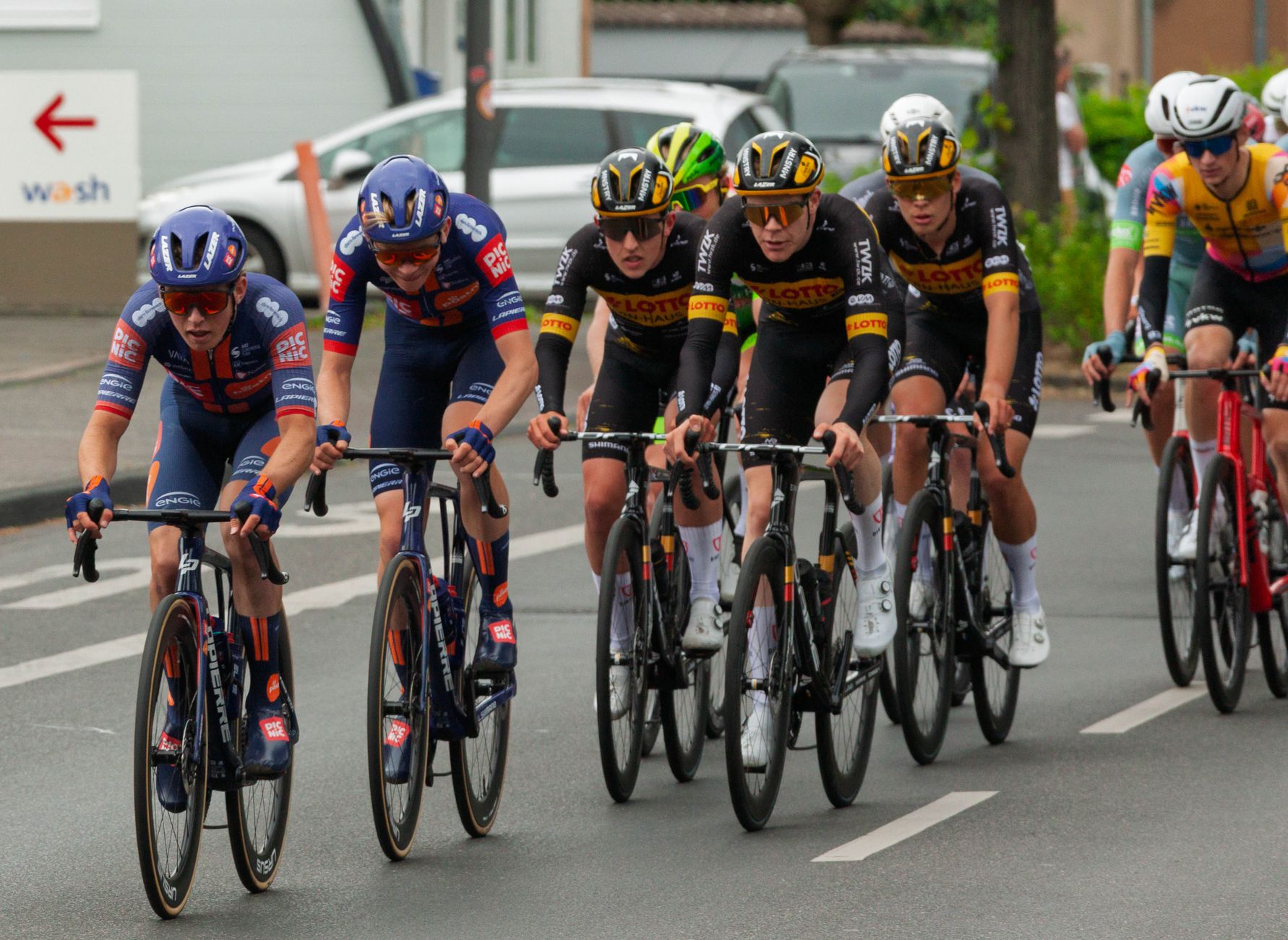
For one week every January, this quiet, leafy capital turns into the centre of the cycling universe, and the Tour Down Under in Adelaide is the reason. It’s the first stop of the UCI WorldTour season, the global opener for both the men’s and women’s pro pelotons, and it lands here while the rest of the world is still buried in winter. I’ve watched it from the roadside more times than I can count, and I still get a kick out of it: the helicopters overhead, the colour of the bunch flying past at 50km/h, and a city that genuinely shows up for it. If you’re planning your trip around the calendar, start with our pillar guide to Adelaide’s events and festivals, then come back here for the cycling-specific detail.
This is the one I tell out-of-towners to time a visit around. It’s free to watch, it’s spread across some of the prettiest country in South Australia, and the atmosphere is more summer street party than buttoned-up sporting event. Here’s everything I’d tell a mate flying in for it.
What is the Santos Tour Down Under?
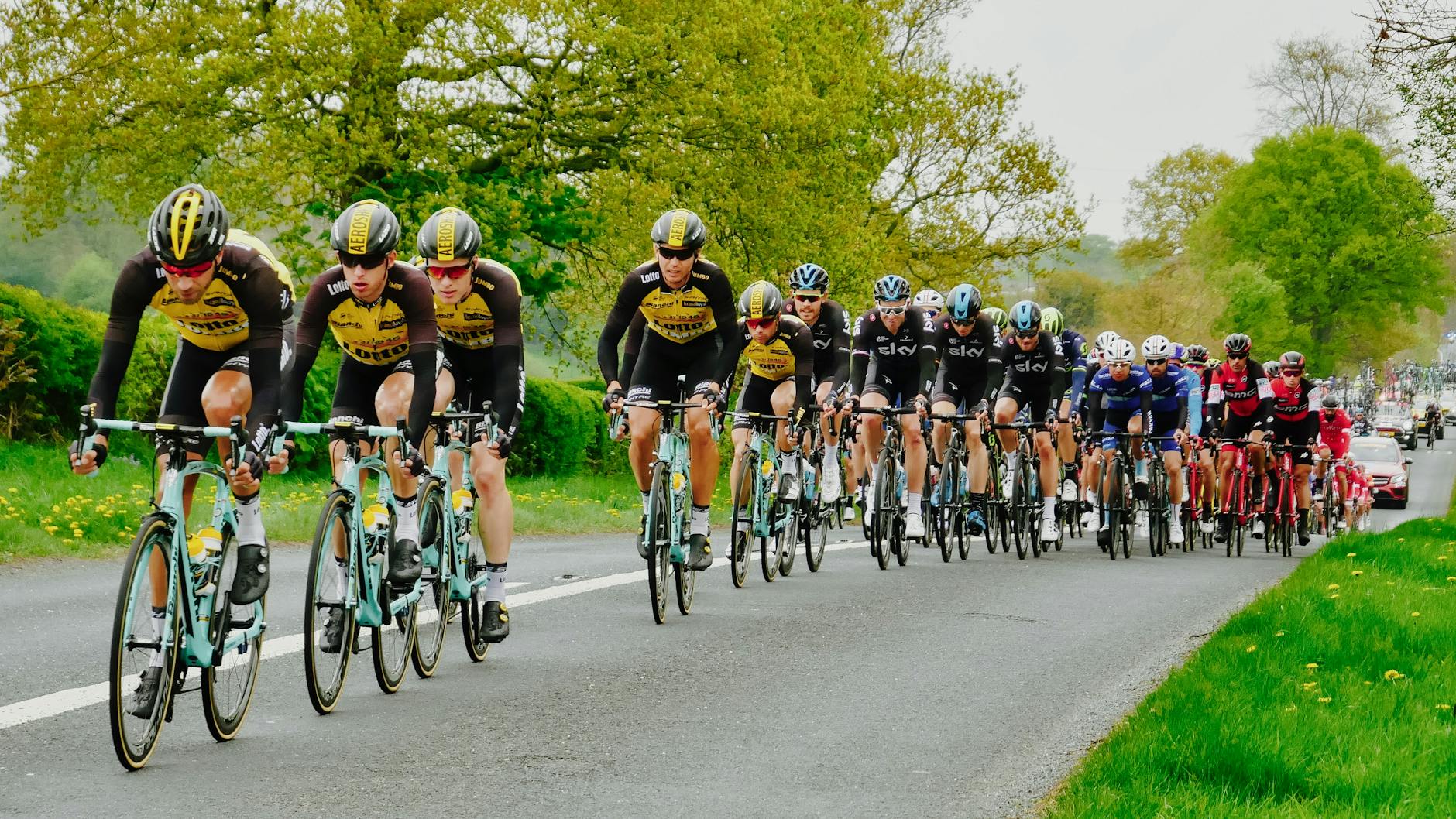
The Santos Tour Down Under is a professional road cycling stage race, and it’s a genuinely big deal in world cycling: it’s the season-opening event of the UCI WorldTour, the top tier of the sport. That means the same teams and many of the same riders you’d see at the Tour de France roll through the Adelaide Hills in January, using this race to blow off the cobwebs and test their legs for the year ahead. Both a men’s race and a women’s race are run, back to back, so there’s professional racing on for the better part of a week.
At the time of writing the men’s event runs to roughly six stages and the women’s to around four, held in mid-to-late January (the 2026 edition was pencilled in for around 16 to 25 January). Dates shift every year, so check the official Tour Down Under site for the current calendar before you book flights. The short version: if you want to see it, plan for the back half of January and you’ll be in the right window. While you’re sorting timing, our guide to the best time to visit Adelaide covers what else is on and what the weather’s doing.
Why it matters to riders (and why that’s good for spectators)
Because it’s the first race of the year, the Tour Down Under draws a stacked field of WorldTour teams hungry for an early win. For us watching, that’s the gift: world-class racing in our backyard, on roads I’ve driven a thousand times. There’s something surreal about seeing a peloton you’ve only ever watched on television at 1am suddenly tearing past the bakery in Stirling. It’s elite sport delivered with a very Adelaide lack of fuss, and it sits comfortably alongside the city’s other big sporting drawcards, like the behind-the-scenes Adelaide Oval tours you can do year-round.
When is the Tour Down Under?
It’s a January event, every year, and that’s the bit worth locking into your mental calendar. The race traditionally kicks off the Australian summer of sport, slotting in before the Australian Open tennis really gets going. Expect it in the second half of the month. The exact dates and the full stage breakdown change annually and are published by the organisers each spring, so treat any specific date you read (here or anywhere) as “check the official site for the current year”.
One practical note: January is peak summer here, smack in the school holidays, and the city is busy. If you want a bed in the CBD near the action, book early. Our round-up of the best hotels in Adelaide’s CBD will point you at the right base, ideally walking distance from Victoria Square. For the broader picture of a January trip, weather, what to pack, what else is happening, see our guide to Adelaide in summer.
The stages: Adelaide, the Hills and the wine country
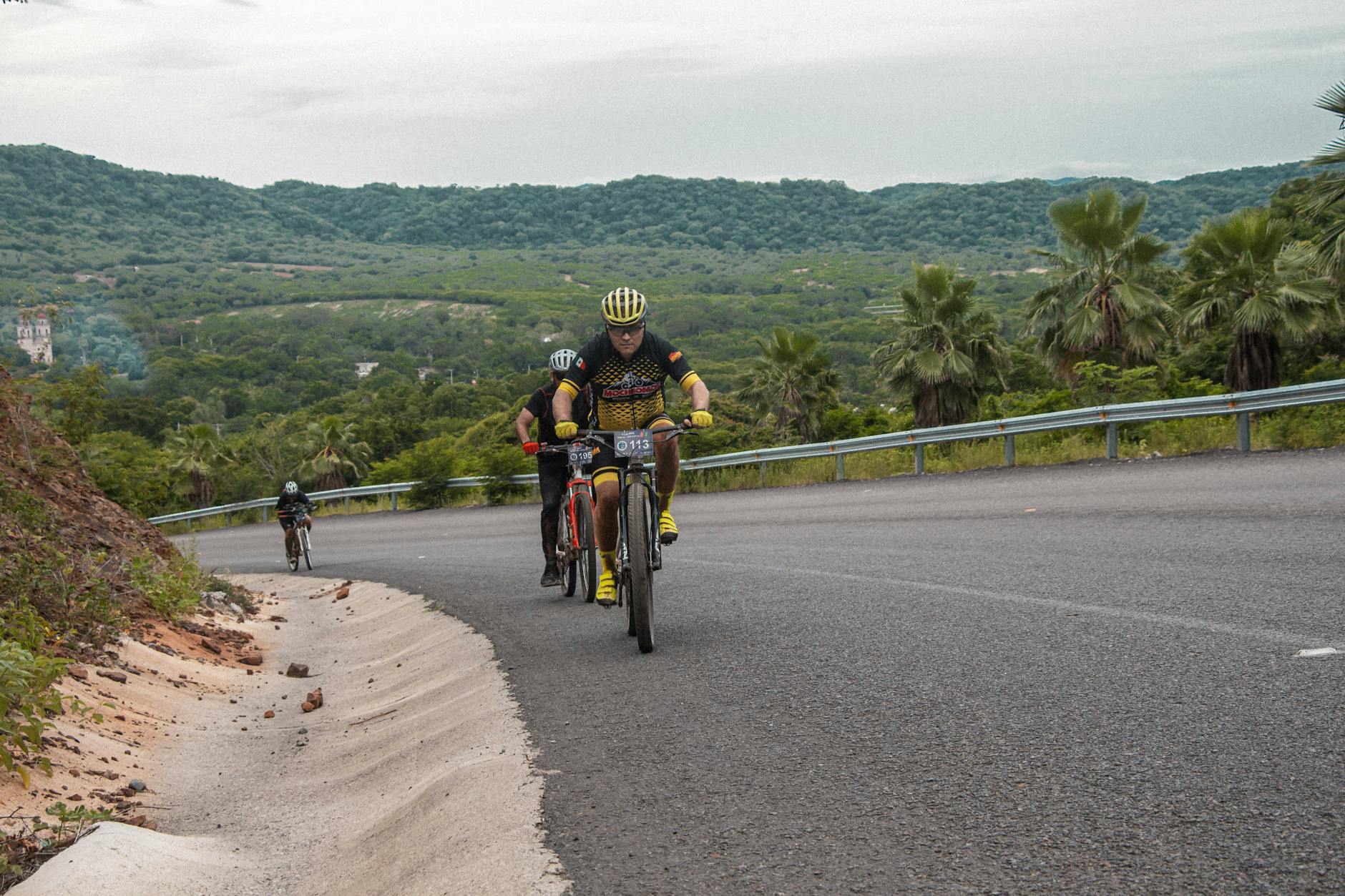
What makes this race special, and genuinely different from a city-based criterium, is that it uses the whole region as its course. Stages start and finish in towns scattered across metropolitan Adelaide, the Adelaide Hills and the surrounding wine districts, which means the racing comes to a lot of different communities over the week. Each year the organisers pick a fresh route, but the cast of locations tends to rotate through the same beloved spots.
The Adelaide Hills towns
The Hills are the heart of the route. Picturesque villages like Uraidla, Paracombe and Stirling regularly feature as start or finish towns, and watching from one of these is my favourite way to do the early stages. The roads twist and climb, the gum trees give you shade, and the towns turn the day into a festival: coffee carts, sausage sizzles, pubs spilling onto the footpath and the whole community out on the verge. It’s also a brilliant excuse to explore the area properly, our Adelaide Hills day trip guide maps out the cellar doors, bakeries and lookouts you’ll want to fold into the day.
The Barossa
The race often heads north into the Barossa, Australia’s most famous wine region, for a stage among the vines. If the route takes the bunch through Barossa country, you get the rare combination of elite sport and one of the great wine landscapes on earth. It’s a long-ish drive from the city, so it pays to plan that one as a full day out.
Old Willunga Hill: the iconic climb
If you only watch one stage from the roadside, make it the one that finishes on Old Willunga Hill. This climb, just outside the town of Willunga at the southern edge of the McLaren Vale wine region, is the legendary spectator stage of the Tour Down Under. The road ramps up in the sun, the crowds line both sides three and four deep, and the pros come through twice on most editions because the finishing circuit sends them up it more than once. The noise as the leaders dig in on the steepest pitch is the closest thing Adelaide gets to a Tour de France mountain stage.
It’s a party as much as a bike race. People stake out a patch of verge from early morning, set up camp chairs and eskies, and settle in for the day. If you’re heading to Willunga, it makes sense to build the trip around the broader area, our McLaren Vale day trip guide covers the cellar doors and lunch spots within striking distance of the climb. Just be aware that on race day the roads close and the small town fills fast, so the golden rule is simple: get there early.
The City of Adelaide Tour Village in Victoria Square
Even if you never make it out to a stage, you can soak up the whole thing for free at the City of Adelaide Tour Village in Victoria Square, known by its Kaurna name Tarntanyangga, right in the heart of the CBD. This is race HQ for spectators and it runs through the week. You’ll find the Team Zone, where the pro teams sign on and you can get close to the riders and their machines; a Bike Expo packed with the latest gear; and big screens broadcasting the day’s stage live, so you can follow the racing out in the Hills from a deckchair in the city.
It’s deliberately family-friendly, with kids’ activities, food stalls and live music turning the square into a daily festival. I’ve spent whole afternoons there with no plan beyond a coffee and the big screen, and it’s a great low-effort way to be part of it if the early starts and roadside camping aren’t your thing. If you’re travelling with little ones, the Tour Village is an easy win, our guide to Adelaide with kids has more family-friendly ideas to fill out the week. The square also sits a short walk from the Central Market and the city’s best eating, so it’s easy to fold into a normal day in town, see our guide to things to do in Adelaide for what’s nearby.
The downtown criterium and prologue
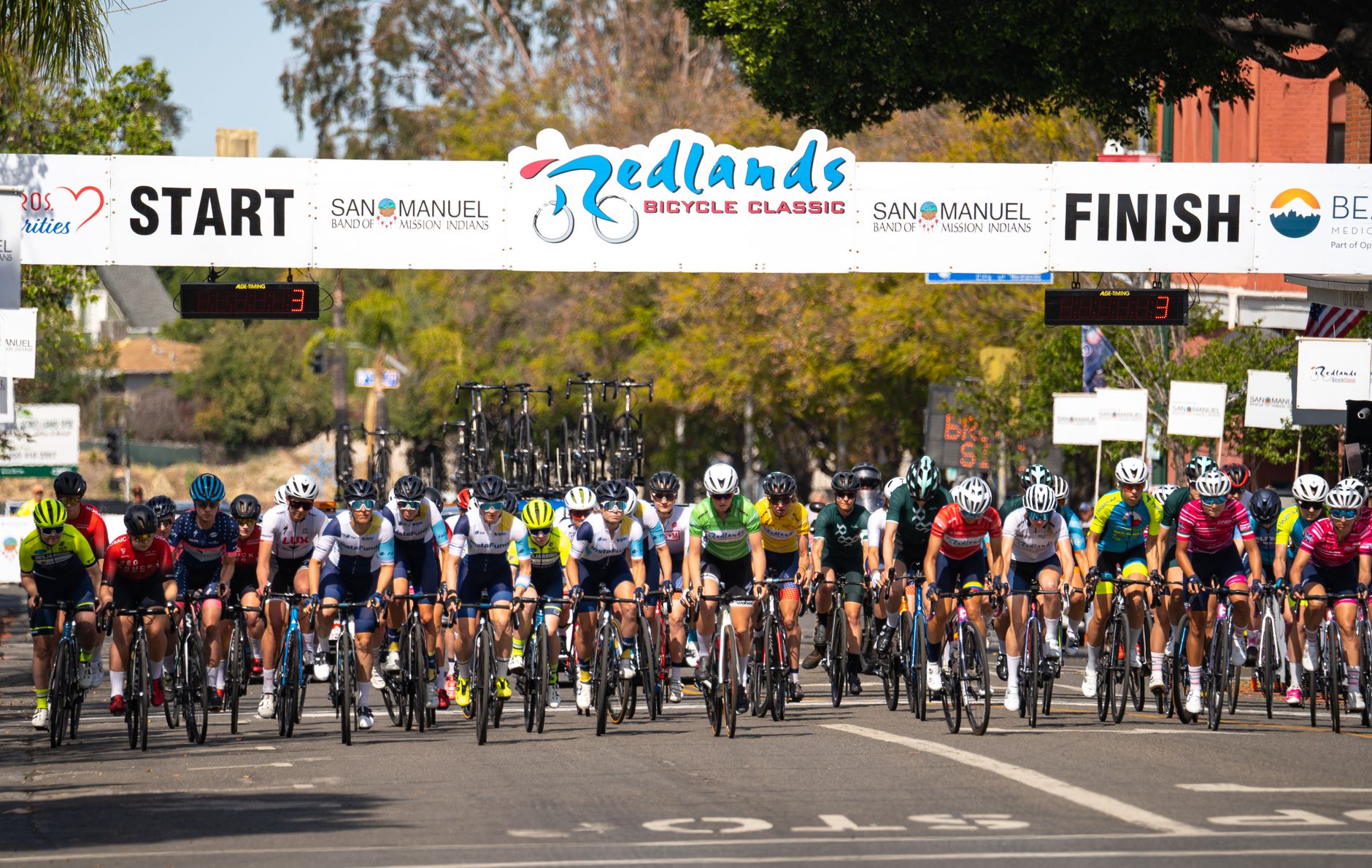
The race usually opens with a fast, spectator-friendly criterium or prologue on a tight circuit in or near the city centre. A crit is short, brutal laps of a closed street loop, riders flying past every couple of minutes, and it’s hands-down the easiest way to see top-level racing if you’ve only got an evening. You stand on a corner, the bunch comes around again and again, and you’re close enough to hear the freewheels and the swearing. For a first-timer with limited time, I’d point you straight at this. Afterwards, the surrounding streets are made for a post-race drink, our pick of the city’s best laneway bars are mostly a short walk from the circuit.
The Festival of Cycling
Wrapped around the racing is the Festival of Cycling, billed as the largest of its kind in the southern hemisphere. The pro race is the spine, but the festival is the flesh: street parties in the start and finish towns, after-parties, pop-up bars, and a whole calendar of community rides. Towns compete to out-do each other, decorating their main streets and putting on entertainment, and the result is a week where cycling is just woven into daily life across the region.
This is where Adelaide’s festival muscle really shows. We’re a city that knows how to throw an event, the same energy you’ll feel at the Adelaide Fringe in March, at WOMADelaide, or at Tasting Australia later in the year, gets channelled into the cycling for this one week in January. If you like your sport with a side of street party, you’ll feel right at home.
Can amateurs ride? The BUPA Challenge and community rides
Here’s the part a lot of visitors don’t realise: you can ride too. The festival’s community rides, long run as the BUPA Challenge Tour, let everyday cyclists tackle a full stage of the actual race route on the same day as the pros, riding the closed roads before the professionals come through. It’s a bucket-list day for keen amateurs, riding the same climbs you’ll later watch the WorldTour tackle. There are usually shorter family-friendly ride options too, so you don’t need to be a racing snake to take part. Entries open ahead of the event and tend to fill, so if riding a stage appeals, get in early and check the official site for the current year’s rides and distances.
How to watch the Tour Down Under for free
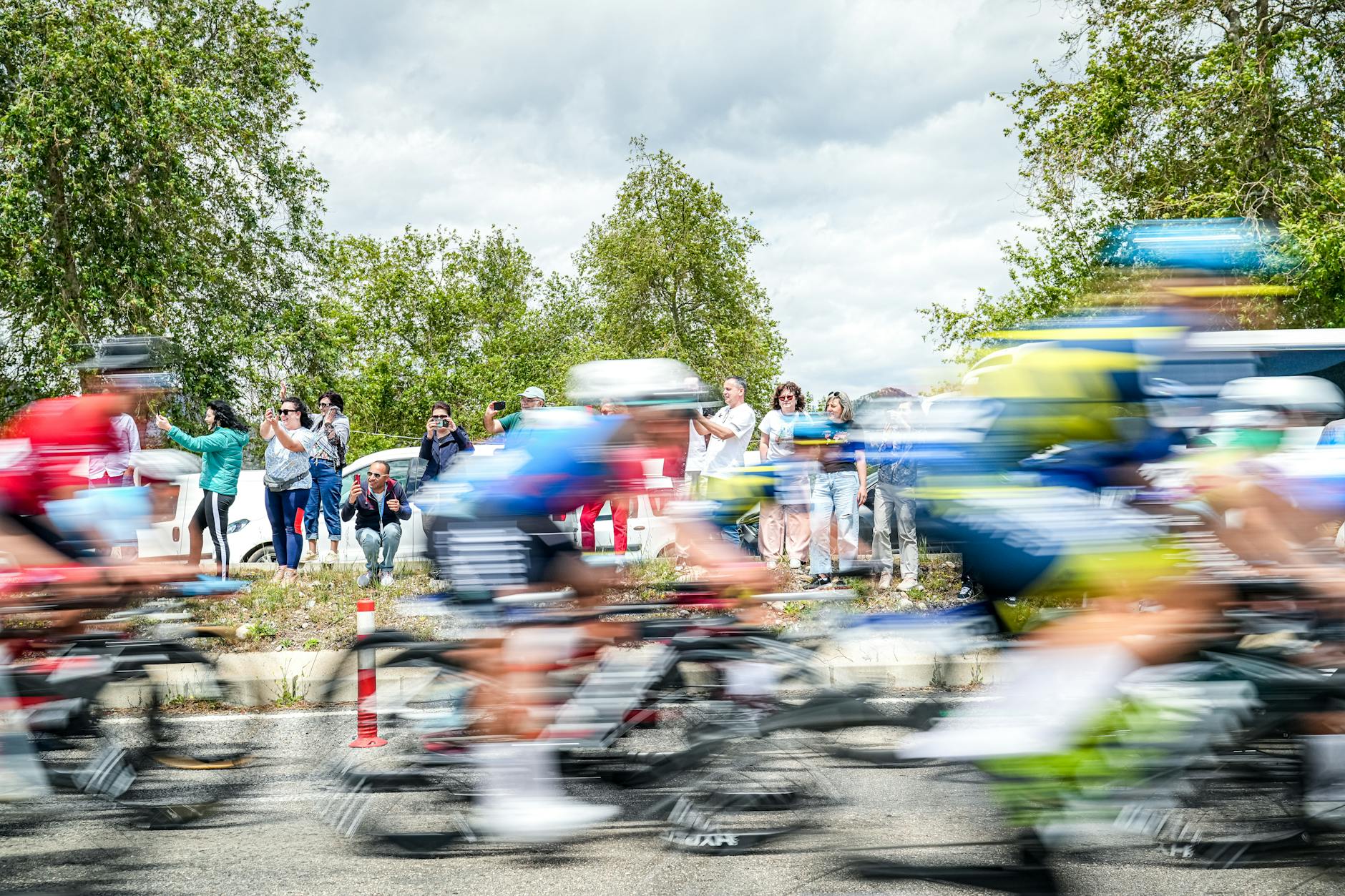
This is the best news of all: watching the Tour Down Under costs nothing. The professional road stages run on public roads, so you simply pick a spot on the route and turn up. There’s no ticket, no fence, no grandstand fee for the bulk of it. That’s a rare thing in elite sport, and it’s a big part of why the race is so beloved here.
Roadside on the climbs
The climbs are where the racing comes alive and where you’ll get the best free vantage. Old Willunga Hill is the marquee spot, but any of the Hills ascents the route uses will give you riders moving slowly enough to actually see, plus a charged atmosphere. The catch is that everyone else has the same idea. For Willunga in particular, get there early, as in mid-morning for an afternoon finish, because roads close, parking vanishes and the prime patches go first. Bring a camp chair, water, and food, and settle in.
The Tour Village and the start/finish towns
If climbing a hill in the heat isn’t your scene, the free Tour Village in Victoria Square gives you live coverage on the big screens plus the team sign-ons in person. The start and finish towns are the other sweet spot: finish lines have the drama and the big screens, while start towns let you wander the team area and see the riders up close before they roll out. Both are free, and both are more relaxed than the climbs.
Getting there and parking
For city-based viewing, the criterium and the Tour Village, leave the car behind. Adelaide’s compact CBD is easy on foot, and the free city tram and loop buses cover the centre, our Adelaide public transport guide has the detail on zones and timings. For the Hills and Willunga, a car gives you the most flexibility, but expect road closures along the route and limited parking near finish lines, so arrive well before the action and be ready to walk the last stretch. On the busiest stages the organisers often run shuttle or park-and-ride options; check the official site each year. Plan your day knowing the roads on the course itself will shut for the race window.
Surviving the summer heat
A reality check that catches a lot of visitors out: this is a peak-summer event, and an Adelaide January can be fierce. Stage days can sit in the low 30s and occasionally spike well past 40°C, with high UV even when it’s not blazing hot. If you’re going to stand on an exposed climb like Willunga for hours, treat it like a day at the cricket: a hat, sunglasses, sunscreen reapplied through the day, and far more water than you think you’ll need. Find shade where you can, the Hills towns have more of it than the open hill finishes, and don’t underestimate how draining a full day in the sun is. The racing is brilliant, but heatstroke is a rubbish souvenir.
Making a trip of it
The race pairs beautifully with a wider South Australian holiday, because the stages are basically a tour of the state’s best country. Watch a Hills stage and stay for the cellar doors; catch the Willunga finish and spend the next day touring McLaren Vale; spend your evenings in the city’s laneway bars and restaurants. January is busy and hot, but it’s also when Adelaide is at its most alive. If you’re building the rest of the itinerary, our broad Adelaide travel guide ties the whole trip together, from where to stay to how to get around. Come for the bikes, stay for the wine, that’s how a lot of us would sell it.
Frequently asked questions
When is the Tour Down Under?
The Santos Tour Down Under is held every January, typically in the second half of the month, as the season-opening event of the UCI WorldTour. The exact dates change each year and are published by the organisers ahead of time, so check the official Tour Down Under site for the current year’s schedule before booking flights or accommodation.
Where is the best place to watch the Tour Down Under?
For atmosphere and a close-up view of the racing, the climb finish at Old Willunga Hill near McLaren Vale is the legendary spectator stage. The Adelaide Hills start and finish towns like Stirling, Uraidla and Paracombe are also excellent. For an easy city option, the downtown criterium and the free Tour Village in Victoria Square let you watch without leaving the CBD.
Is it free to watch the Tour Down Under?
Yes. The professional road stages run on public roads, so you can watch from the roadside for free, with no ticket required. The City of Adelaide Tour Village in Victoria Square is also free and includes big-screen live coverage, the Team Zone and a Bike Expo. Some community ride entries and a handful of premium hospitality options are paid, but the racing itself costs nothing to watch.
Can amateurs ride in the Tour Down Under?
Yes. The Festival of Cycling includes community rides, long run as the BUPA Challenge Tour, that let everyday cyclists ride a full stage of the actual race route on the same day as the professionals, on closed roads. There are usually shorter, family-friendly options too. Entries open ahead of the event and fill quickly, so check the official site early and sign up in advance.
What should I bring to watch a stage?
Treat it like a summer day outdoors, because January in Adelaide is hot. Bring a hat, sunglasses, plenty of sunscreen and far more water than you think you’ll need, plus a camp chair if you’re settling in on a climb. For Old Willunga Hill especially, arrive early because roads close and parking near the finish disappears fast.
How do I get to the stages and where do I park?
For city viewing like the criterium and the Tour Village, walk or use Adelaide’s free city tram and loop buses. For the Adelaide Hills and Willunga stages, a car offers the most flexibility, but expect road closures along the route and limited parking near finish lines, so arrive early and be prepared to walk the last stretch. Organisers often run park-and-ride or shuttle options on the busiest days, listed on the official site each year.
1 note