Adelaide has some real advantages for travellers who use a wheelchair or have limited mobility. The city centre is compact and laid out on a grid, every train and tram in the network is accessible, the free City Connector bus links most of the big sights, and the major venues, from Adelaide Oval to the Art Gallery, publish detailed access information. It is not perfect: some older buildings, garden paths and beach access still take planning. But for accessible Adelaide travel, the information you need is mostly out there, and this guide brings it together.
It covers arriving at the airport, public transport and access taxis, the Companion Card, where to find Changing Places facilities, the most accessible attractions, beaches with access mats and beach wheelchairs, all-terrain wheelchairs in the national parks, and what to ask when you book accommodation. Details were checked in November 2026 against the South Australian Government, Adelaide Metro, the City of Adelaide, National Parks and Wildlife Service South Australia and the venues’ own access pages. Access arrangements change, so treat this as a starting point and confirm anything critical with the venue before you go.
Accessible Adelaide at a Glance
| What | The short answer |
|---|---|
| Trains and trams | All accessible; ramps at the front of the train, boarding ramps on trams |
| Buses | Most accessible; over 80% of the fleet is low-floor with a wheelchair space |
| Access taxis | Book on 1300 360 940, 24 hours a day |
| Companion Card | Recognised throughout Australia; free companion travel on Adelaide Metro |
| Changing Places | Rymill Park in the city (MLAK key), Adelaide Oval and Adelaide Airport, among others |
| Free wheelchair loans | Art Gallery of South Australia; Adelaide Festival Centre (with ID deposit) |
| Beach access | Accessible mat north of the Glenelg jetty each summer; free beach wheelchairs at Normanville |
| All-terrain wheelchairs | Free MT Push at Belair National Park; TrailRider for Deep Creek |
Arriving at Adelaide Airport
Adelaide Airport offers a range of accessibility services. It supports the Hidden Disabilities Sunflower program, with sunflower lanyards available from the Welcome Desk, and it has sensory maps and a sensory room for travellers who find airports overwhelming. Hearing loops and mobility-friendly check-in are available, and the airport lists a Changing Places facility among its amenities. If you need help through the terminal or onto the plane, request assistance through your airline when you book, not on the day.
If someone is collecting you by car, the multi-level P1 car park has 26 accessible parking bays, spread over several levels close to the lifts. Our Adelaide Airport guide covers the terminal in more detail, and airport to city compares the transfer options.
Getting Around the City Centre
The square mile of the city centre is laid out on a grid of wide streets, with five squares and the Park Lands wrapped around the edge, which makes it relatively easy to navigate. Rundle Mall is a pedestrian street, North Terrace has broad footpaths, and the riverbank paths along the Torrens behind the Festival Centre and Adelaide Oval are an option for a longer stroll. The main thing to watch is the climb north: the ground rises from the river towards North Adelaide, so if you are staying there, the City Connector or a taxi is easier than a long push uphill.
Kerb ramps are common at city intersections, but footpath surfaces in older streets and laneways can be uneven, and some of the small bars and restaurants in the laneways have steps at the door. If a venue’s website does not mention access, phone ahead; a small venue will usually tell you honestly whether you can get in.
Getting Around by Public Transport
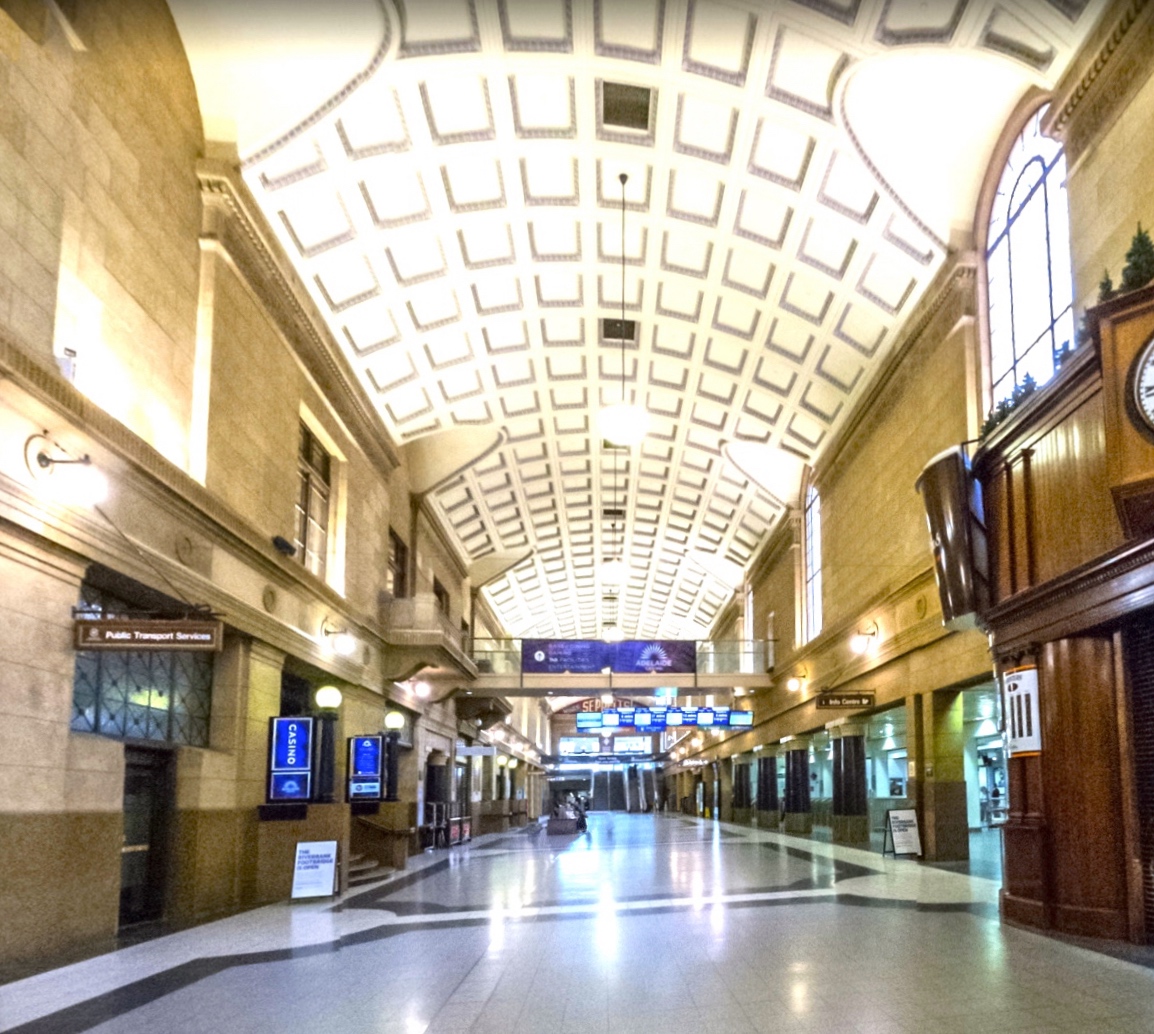
Adelaide Metro runs the city’s buses, trains and trams, and publishes access information for each mode. According to the South Australian Government, all trains and trams and most buses are accessible, and more than 80% of the bus fleet is low-floor with a dedicated wheelchair space.
Trains
Ramps are deployed by the driver at the front-most door of the train, so wait at the front of the platform. Drivers will deploy the ramp and give guidance, but under Adelaide Metro’s rules they cannot physically push you or move your mobility device, so travel with someone who can help if you need it. Station facilities vary, so check the station you plan to use on Adelaide Metro’s journey planner.
Trams
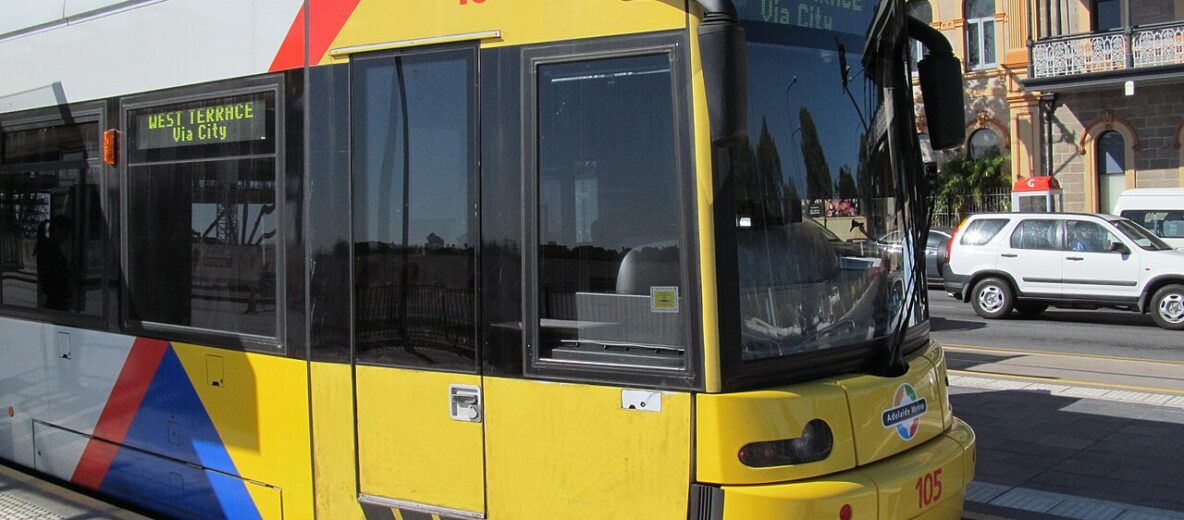
Adelaide’s trams run from the Entertainment Centre and the city to Glenelg, and they are the easiest way to reach the beach. Boarding ramps are available, and Adelaide Metro asks wheelchair users to wait at the marked accessible boarding point on the platform. Travel within the city section of the tram is free; our guide to the free tram explains where it runs.
Buses
Bus drivers can kneel the bus and set out a ramp. Because a small part of the fleet is not low-floor, the government advises phoning Adelaide Metro on 1300 311 108 to check whether an accessible bus is rostered on your route at the time you want to travel, especially on less busy routes or outside the city.
The free City Connector
The free City Connector bus loops around the city centre and North Adelaide. Routes 98A and 98C run seven days a week, every 15 minutes on weekdays, and routes 99A and 99C cover a tighter inner loop on weekdays only. Between them they serve the Botanic Garden, Festival Plaza, Adelaide Oval, Adelaide Zoo, the Art Gallery, the Central Market and Rundle Mall, which makes them a useful free service for an accessible sightseeing day.
Fares, companions and assistance animals
- Companions travel free on Adelaide Metro when the passenger holds a Companion Card or a ticket marked “Plus one free companion”.
- Accredited assistance animals travel free.
- Adelaide Metro’s Mobility Pass (for people who cannot validate a Metrocard because of a physical or cognitive impairment) and its vision-impaired travel pass are issued through an application process; check with Adelaide Metro whether you are eligible as a visitor.
For fares and ticket types, see our Metrocard and fares guide and the wider public transport guide.
Access Taxis
Wheelchair-accessible taxis in metropolitan Adelaide are booked through a central service on 1300 360 940, available 24 hours a day, run by Suburban Taxis. The government listed 97 wheelchair-accessible taxis in metro Adelaide in 2025, which is not a huge fleet for a city of this size, so book as far ahead as you can for airport runs, evenings and big event days. The old system of preferential bookings during dedicated hours no longer applies. Compliments and complaints go to the Access Cabs InfoLine on 1300 551 156.
The honest verdict: for most city sightseeing, the trams and the free City Connector are more reliable than waiting for an access taxi. Save taxis for the airport, evenings out and trips the network does not reach.
The Companion Card
South Australia’s Companion Card is recognised throughout Australia, so an interstate card works here. Many businesses accept it even if they are not formally affiliated with the program, so it is always worth asking when you book. There should be no booking fee for the companion’s ticket, though a participation fee may apply where the companion takes part in a separate activity.
Among the places that accept it: Adelaide Metro (companions travel free), Adelaide Zoo (one carer free with a national Companion Card or a Carers Australia card) and Adelaide Festival Centre, which participates in the program, though individual presenters’ arrangements vary, so check when you book.
Changing Places in Adelaide
Changing Places are larger accessible toilets with a ceiling hoist, an adult-sized change table and space for carers. Adelaide has several:
- Rymill Park / Murlawirrapurka (Park 14), in the East End of the city: next to the Quentin Kenihan Inclusive Playspace and open at all times. It is opened with an MLAK key, which costs A$64 including GST from the Independent Living Centre (1300 885 886). The ceiling hoist takes up to 205kg and the change table 220kg; bring your own sling.
- Adelaide Oval: the stadium lists a Changing Places bathroom on its access page.
- Adelaide Airport: the airport lists a Changing Places facility among its amenities; ask at the Welcome Desk for its location.
Others are dotted around the suburbs and shopping centres. Use the national Changing Places website’s map to find the nearest one to where you are staying, and check each facility’s access arrangements before you rely on it. For the playground next to the Rymill Park facility, see our guide to Adelaide playgrounds and parks.
The Most Accessible Attractions
North Terrace and the Art Gallery
North Terrace, the city’s cultural boulevard, is wide, flat and lined with free institutions. The Art Gallery of South Australia is the standout for access. All areas of the gallery are accessible, sometimes by alternative routes with ramps, lifts and dedicated gallery wheelchair lifts, and there are benches and soft lounges throughout. Self-propelled and push wheelchairs and walkers can be borrowed free of charge: phone (08) 7085 1500 and press 7 to reserve one. Accessible parking is nearby at Wilson Parking on North Terrace (level 1, near the lift, about 80m away) and U-Park on Gawler Place (300m), with fees. The gallery also runs selected Deaf-led, Auslan-interpreted and audio-described tours and quiet sessions, and assistance dogs are welcome.
The South Australian Museum and the State Library sit next door. Check their access pages before you go, and see our North Terrace guide for the full stretch.
Adelaide Botanic Garden
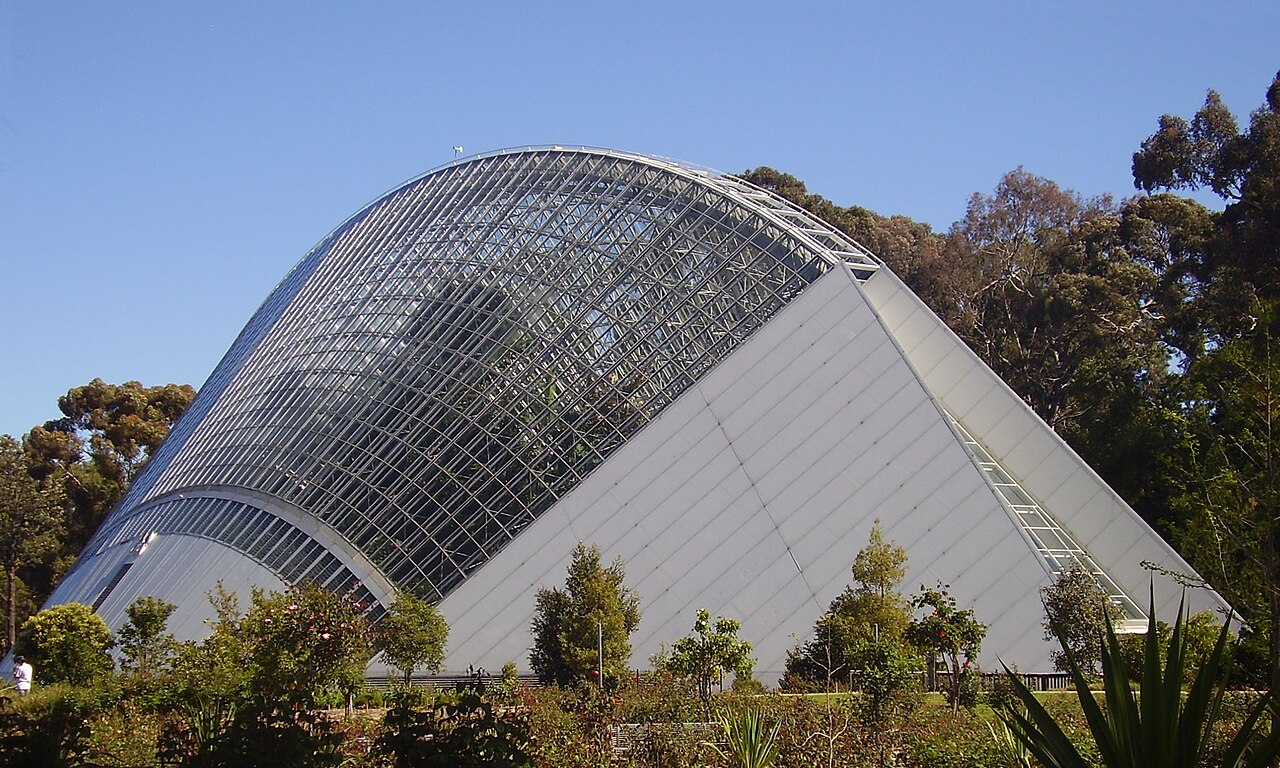
The Adelaide Botanic Garden is mostly manageable, with some caveats. Wheelchair access is available at all gates except Hackney Gate, which is too steep, and while the main paths are sealed, some are gravel or sawdust and a few are steep, so pick your route on the garden’s map. The Bicentennial Conservatory, the big glass rainforest house, has two wheelchair-accessible walkways.
Adelaide Zoo
Next to the Botanic Garden, Adelaide Zoo hires wheelchairs for A$5, and one carer enters free with a national Companion Card or a Carers Australia card. It runs Relaxed Zoo Hours on Mondays and Wednesdays from 3pm to 4:30pm for visitors who prefer a quieter, calmer visit, and its animal experiences are wheelchair accessible (bookings on (08) 8267 3255). The accessible toilet at Nature’s Playground has a full-body ceiling hoist, but the zoo has listed it as unavailable for maintenance, so check before relying on it. The City Connector stops nearby at Stop 2 on Frome Road.
Adelaide Oval
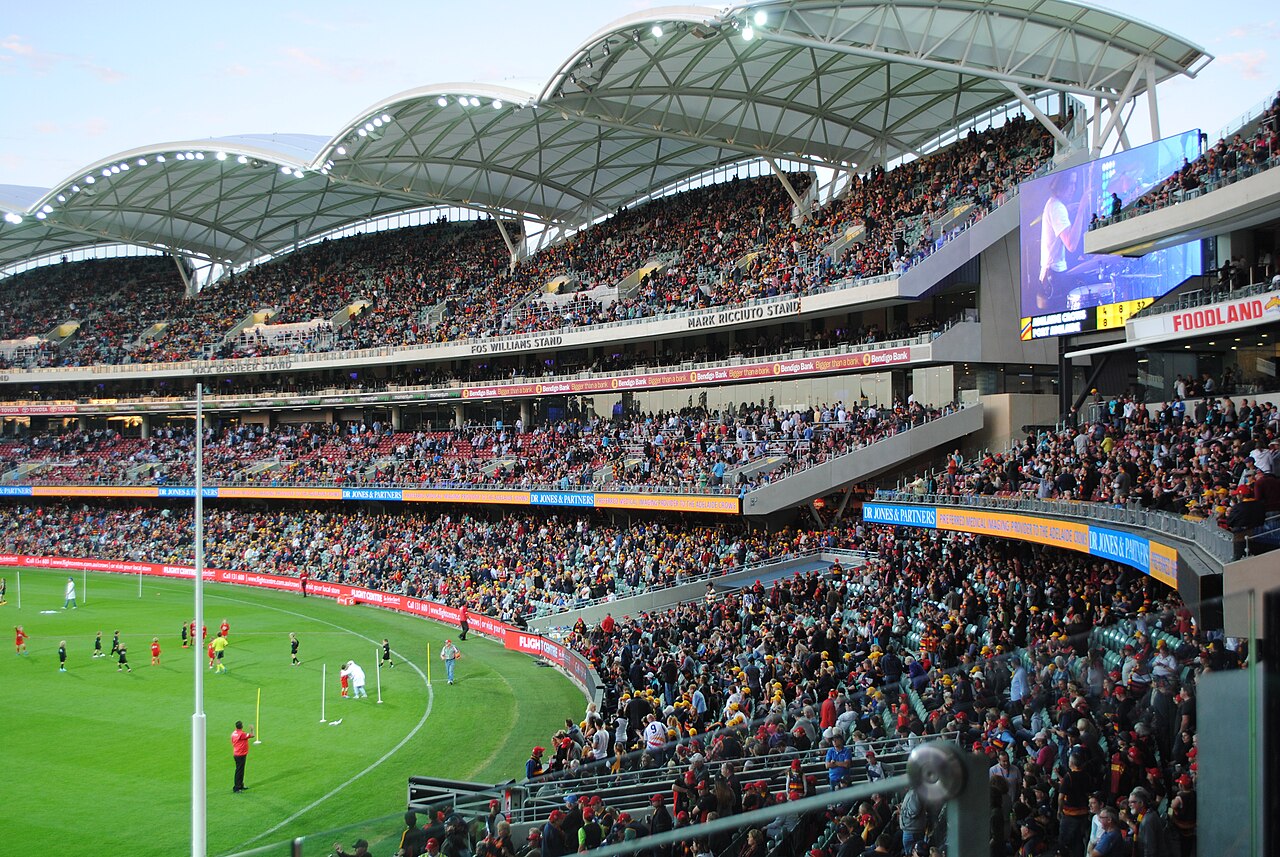
Adelaide Oval describes itself as a fully accessible venue, and its access page backs that up with unusual detail. All four main entries are accessible, there are ramps near all stairs and lifts near all escalators, and wheelchair spaces, each 800mm by 1300mm and marked on the ground, are spread across every public and corporate level, with flexible seating for companions. Easy Access seats with extra room for mobility aids and assistance animals are in the East and South stands and on the Northern Mound. There are 41 unisex accessible toilets, plus a Changing Places bathroom.
For hearing assistance, infrared neck-loop receivers are available at the accessible ticket counters, and each entrance has an accessible ticket window with a hearing loop; tell Ticketek about hearing needs when you book. One practical warning: there are no charging points in the public seating areas, so arrive with a fully charged powered chair or scooter. See our guides to Adelaide Oval tours and sport in Adelaide.
Adelaide Festival Centre
For theatre and concerts, Adelaide Festival Centre has venue lifts and loan wheelchairs: phone 131 246 or tell the operator when you book, then collect the chair from the venue’s concierge desk before the show, leaving photo ID or a card as a deposit. The Centre cannot provide staff to help with wheelchair use except in an emergency. Some shows let you book accessible seating directly on Ticketek, but not all, so call if the option is not shown. Hearing assistance is provided through a Beyerdynamic hearing system, and the Centre participates in the Companion Card program.
Cleland Wildlife Park
In the Adelaide Hills, Cleland Wildlife Park has accessible paths and wheelchairs and prams for hire. It is a good place near the city to see kangaroos and other native animals up close.
Beaches with Better Access
Sand is the hardest surface for a wheelchair, but two Adelaide-area options help.
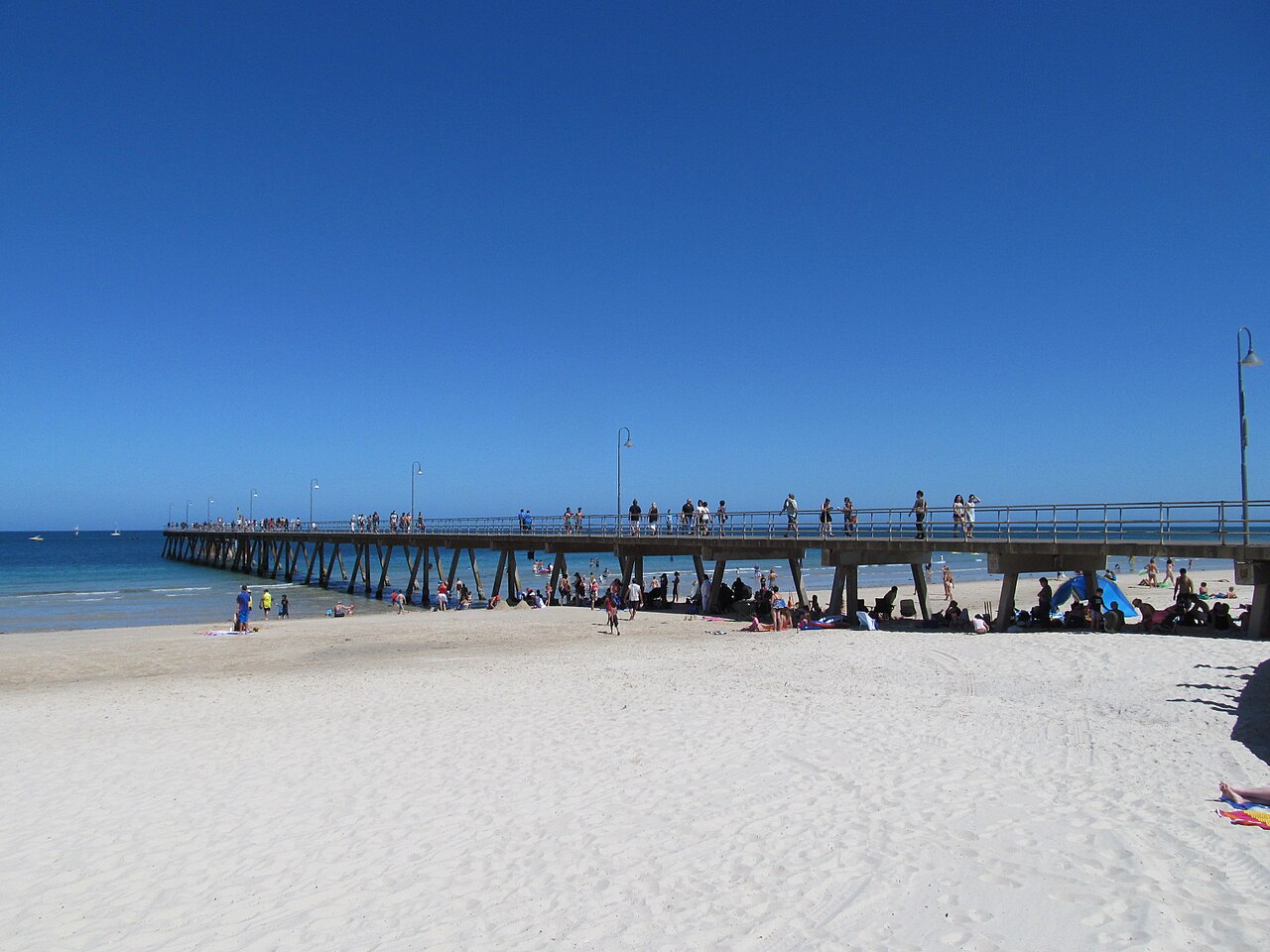
- Glenelg: each summer, the City of Holdfast Bay lays an accessible beach mat on the sand north of the jetty, linked to the accessible beach ramp from the foreshore. Anyone can use it at any time of day through the summer. Glenelg is the end of the tram line, so you can reach it without a car; see our Glenelg guide.
- Normanville: on the Fleurieu Peninsula, the surf life saving club lends Sandcruiser and Sandpiper beach wheelchairs free of charge, with a suggested A$20 donation. Book by email at [email protected].
Nature and National Parks
Several of the parks around Adelaide have made real efforts with access, and some lend specialist equipment free.
- Belair National Park: an MT Push all-terrain wheelchair can be borrowed free from the park’s Information Office.
- Deep Creek National Park: a TrailRider, a one-wheeled chair that lets a person with limited mobility be taken along bush trails, is available free for up to three days through the District Council of Yankalilla, booked through the Fleurieu Coast Visitor Information Centre. It needs a minimum of two reasonably fit people to operate.
- Waterfall Gully: the accessible trail to the pool at the first falls is 300m return from the car park. See our Mount Lofty and Waterfall Gully guide.
National Parks SA keeps an accessibility page listing equipment and accessible trails across the state, and it is worth checking before any park visit. Our overview of national parks near Adelaide covers the parks themselves.
Access by Need: Hearing, Vision and Sensory
Most of this guide is about mobility, but the same venues have made progress for other needs too.
- Hearing: Adelaide Airport has hearing loops; Adelaide Oval has infrared neck-loop receivers at its accessible ticket counters and hearing loops at each entrance’s accessible ticket window; Adelaide Festival Centre uses a Beyerdynamic hearing system; and the Art Gallery runs Deaf-led and Auslan-interpreted tours on selected dates.
- Vision: the Art Gallery offers audio-described tours and a self-guided tour with audio description; Adelaide Metro has a vision-impaired pass (check eligibility as a visitor); and accredited assistance animals travel free on public transport and are welcome at the gallery and the Oval.
- Sensory and hidden disabilities: the airport supports the Sunflower program and has a sensory room and sensory maps; Adelaide Zoo runs Relaxed Zoo Hours on Monday and Wednesday afternoons; and the Art Gallery programs quiet sessions.
Accessible Day Trips from Adelaide
Plenty of the region is within reach, with some planning.
- Glenelg: the easiest trip of all, by tram from the city, with the beach mat in summer and a flat foreshore.
- The Fleurieu Peninsula: free beach wheelchairs at Normanville and the TrailRider for Deep Creek National Park make the south coast more accessible than you might expect. Our Fleurieu Peninsula guide covers the region.
- Kangaroo Island: the Seal Bay boardwalk is 900m return and wheelchair accessible. See our Kangaroo Island itinerary, and check the ferry’s access arrangements when you book.
- The Limestone Coast: National Parks SA describes Tantanoola Caves, near Mount Gambier, as one of Australia’s few wheelchair-accessible caves.
- The Adelaide Hills: Cleland Wildlife Park has accessible paths and wheelchairs for hire, and Waterfall Gully’s first-falls trail is 300m return from the car park.
Wine tours are harder: many cellar doors are in old stone buildings, and minibus tours may not carry wheelchairs. If wine matters, phone cellar doors directly and drive yourself or book a private accessible transfer.
Booking Accessible Accommodation
“Accessible room” means different things to different hotels, so ask specific questions before you book and get the answers in writing:
- Is the shower roll-in, or is there a step or a bath? Is there a shower chair or a fixed seat?
- How wide are the doors to the room and the bathroom?
- What is the height of the bed, and is there space underneath for a hoist?
- Is there step-free access from the drop-off point or car park to reception and the lifts?
- Are there accessible parking bays, and what do they cost?
- Is the room near the lift, and what happens if the lift is out of service?
Newer hotels in the city centre are often easier for step-free access, while heritage buildings and small B&Bs in the Hills vary widely. Our guide to where to stay in Adelaide explains the areas; for access, staying in the city centre near a tram stop or the City Connector route keeps transport simple.
Packing and Paperwork
- Companion Card: bring it, whichever state issued it, and mention it whenever you book.
- Parking permit: if you are driving with a disability parking permit from another state or country, check the South Australian Government’s rules on whether and how it is recognised before you rely on it.
- Chargers: Australia uses Type I plugs at 230V, so overseas visitors need the right adaptor for a powered chair or scooter charger. Remember there are no charging points in Adelaide Oval’s public seating.
- Your own sling: the Rymill Park Changing Places expects you to bring one.
- An MLAK key: if you will use the Rymill Park facility or other MLAK-locked toilets, order one before you arrive.
- Medication and paperwork: carry a letter from your doctor for any medical equipment, and a list of your access needs to read out when booking by phone.
Planning Tips
- Heat: Adelaide summers can be very hot, which matters for anyone who has trouble regulating body temperature or relies on a battery-powered chair. Plan outdoor sightseeing for mornings and evenings in summer, and use the air-conditioned galleries in the afternoon.
- Book ahead: access taxis, accessible hotel rooms, Adelaide Oval wheelchair seats and the free equipment at Belair and Deep Creek are all worth arranging in advance.
- Hidden disabilities: pick up a sunflower lanyard at the airport, and look out for relaxed or quiet sessions such as the zoo’s Relaxed Zoo Hours and the Art Gallery’s quiet sessions.
- Check before you travel: lifts break, equipment goes for maintenance, and arrangements change. A quick call the day before saves a wasted trip.
A Sample Accessible Day in Adelaide
Morning: start at the Art Gallery of South Australia on North Terrace (borrow a wheelchair if you need one), then take the City Connector to the Botanic Garden and the Bicentennial Conservatory. Lunch: the Central Market, also on the City Connector route. Afternoon: Adelaide Zoo, timed for Relaxed Zoo Hours on a Monday or Wednesday. Late afternoon: the tram to Glenelg, the beach mat north of the jetty in summer, and dinner by the sea. For more ideas, see our one-day Adelaide itinerary.
Frequently Asked Questions
Is Adelaide wheelchair friendly?
Largely, yes. The city centre is compact, all trains and trams and most buses are accessible, and major venues such as Adelaide Oval and the Art Gallery have detailed access arrangements. Some garden paths, older buildings and beaches still need planning.
Are Adelaide’s trams wheelchair accessible?
Yes. Boarding ramps are available, and wheelchair users should wait at the marked accessible boarding point on the platform.
Where are the Changing Places toilets in Adelaide?
In the city, at Rymill Park (Murlawirrapurka) next to the Quentin Kenihan Inclusive Playspace, opened with an MLAK key, plus Adelaide Oval and Adelaide Airport. Check the national Changing Places map for others.
Is the Companion Card accepted in South Australia?
Yes. The Companion Card is recognised throughout Australia, companions travel free on Adelaide Metro, and many venues accept it, so ask when you book.
Can you get a beach wheelchair at Glenelg?
Glenelg has an accessible beach mat north of the jetty each summer, which anyone can use at any time of day. Normanville, on the Fleurieu, lends beach wheelchairs free, with a suggested donation.
How do you book a wheelchair-accessible taxi in Adelaide?
Call the central access taxi booking service on 1300 360 940, 24 hours a day, and book as far ahead as possible.
If your group also includes a dog, a caravan, a Seniors Card or a child who needs a quiet space, our guide to Adelaide for every traveller sets out the essentials for each kind of trip and points to the detailed guides.
Related Adelaide Guides
- Adelaide public transport guide
- Adelaide’s free tram
- Adelaide Airport guide
- North Terrace
- Adelaide Zoo guide
- Glenelg
- Where to stay in Adelaide
- Adelaide travel tips
Photo Credits
A tram at the West Terrace stop: “OIC adelaide tram at west terrace stop.jpg” by Orderinchaos, via Wikimedia Commons, CC BY-SA 3.0.
Adelaide Railway Station concourse: “Adelaide railway station concourse.jpg” by DAHall, via Wikimedia Commons, CC0.
The Bicentennial Conservatory: “Adelaide Botanic Gardens Bicentennial conservatory.JPG” by Peripitus, via Wikimedia Commons, CC BY-SA 3.0.
Glenelg beach and jetty: “OIC glenelg jetty.jpg” by Orderinchaos, via Wikimedia Commons, CC BY 3.0.